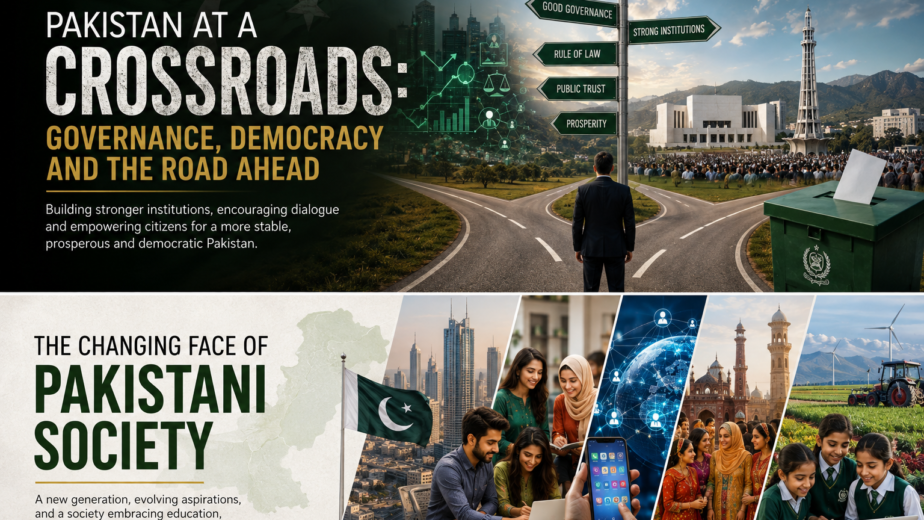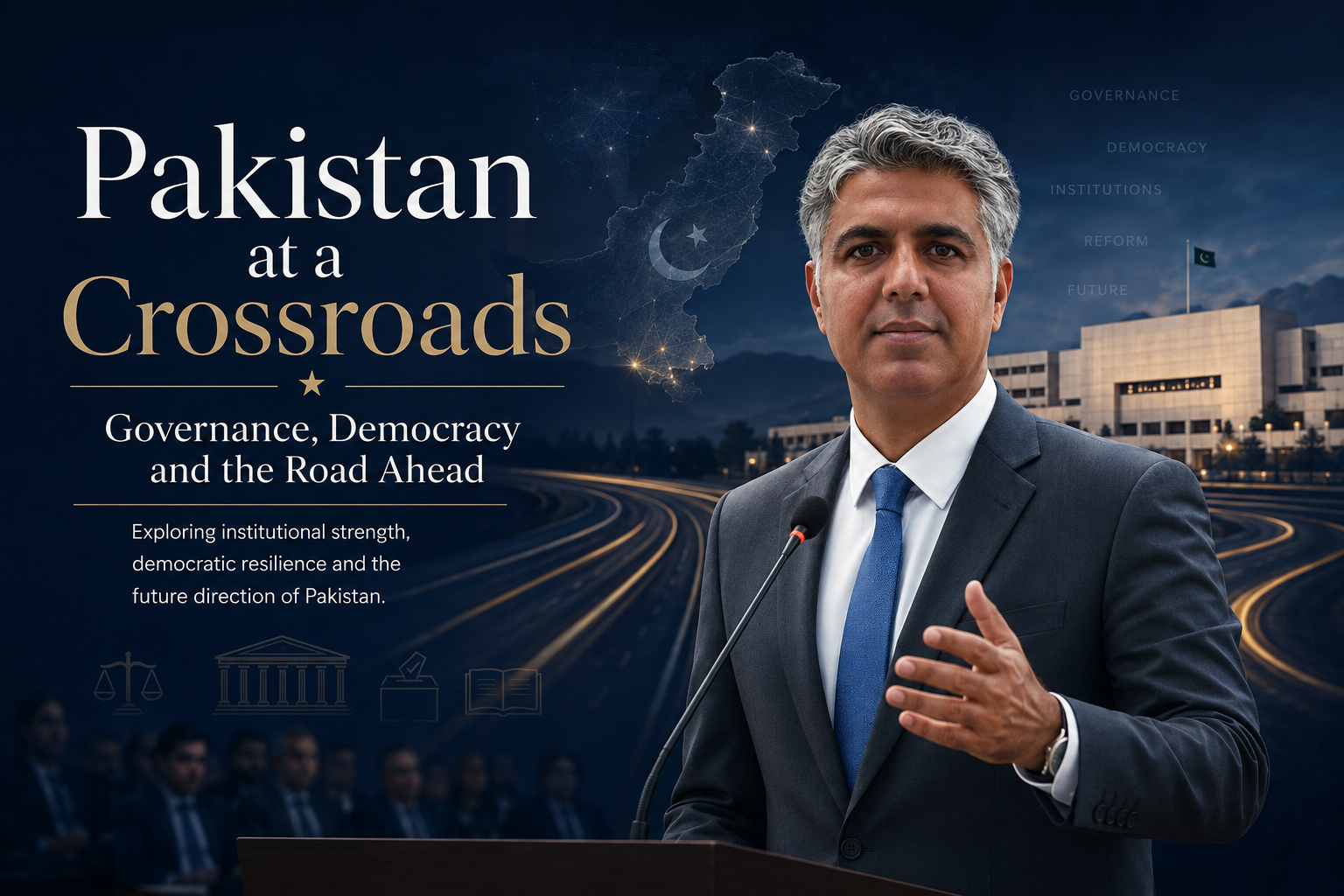
Pakistan has repeatedly demonstrated its resilience in the face of political, economic and social challenges. Yet the country continues to search for a sustainable model of governance capable of delivering stability, prosperity and public confidence.
Democracy cannot be measured only through elections. Strong democratic societies also require accountable institutions, respect for law, transparent decision-making and meaningful participation by citizens.
Pakistan’s greatest strength remains its people. A young population, growing digital connectivity and an increasingly informed society create enormous possibilities for national development.
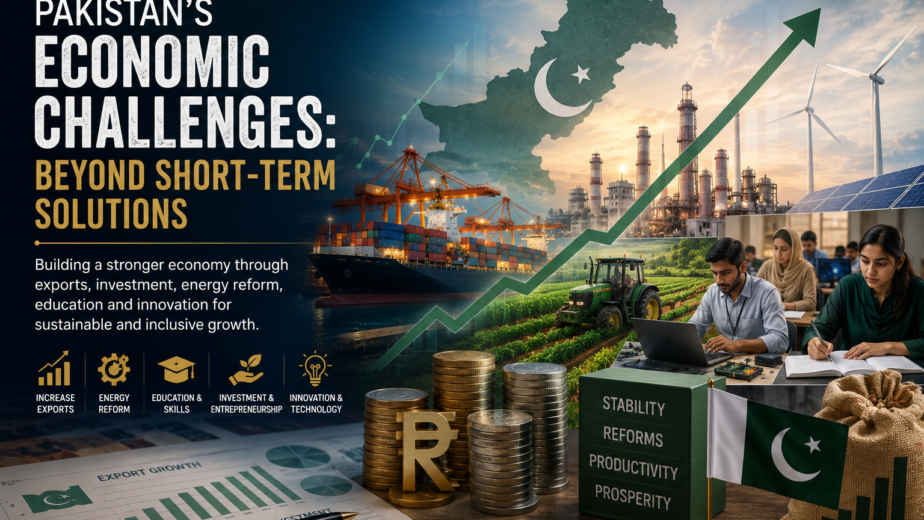
However, political polarization often prevents long-term issues from receiving the attention they deserve. Economic reform, education, healthcare, water security and employment must remain national priorities regardless of which political party is in government.
Institutions also become stronger when their responsibilities are clearly defined and respected. Stability requires cooperation without compromising constitutional boundaries.
Pakistan needs political competition based on policies rather than personalities. Citizens ultimately benefit when political leaders compete over ideas for economic growth, education, social protection and institutional reform.
Young Pakistanis increasingly expect transparency and opportunities rather than slogans. Their expectations will play an important role in shaping the country’s future.
Democratic development is always a gradual process. Pakistan’s journey has experienced interruptions and setbacks, but every challenge provides lessons.
The road ahead requires dialogue, patience and institutional maturity.
Pakistan’s future will depend less on individual political personalities and more on whether the country succeeds in building institutions capable of serving generations to come.